
News

Insights into COVID-19: Perspectives on Drug Remedies and Host Cell Responses
This review summarizes current information regarding coronavirus classification and characterization and presents the broad clinical consequences of SARS-CoV-2 activation of the angiotensin-converting enzyme 2 (ACE2) receptor expressed in different human cell types. It provides publicly available knowledge on the chemical nature of proposed therapeutics and their target biomolecules to assist...
What do we know about the function of SARS-CoV-2 proteins?
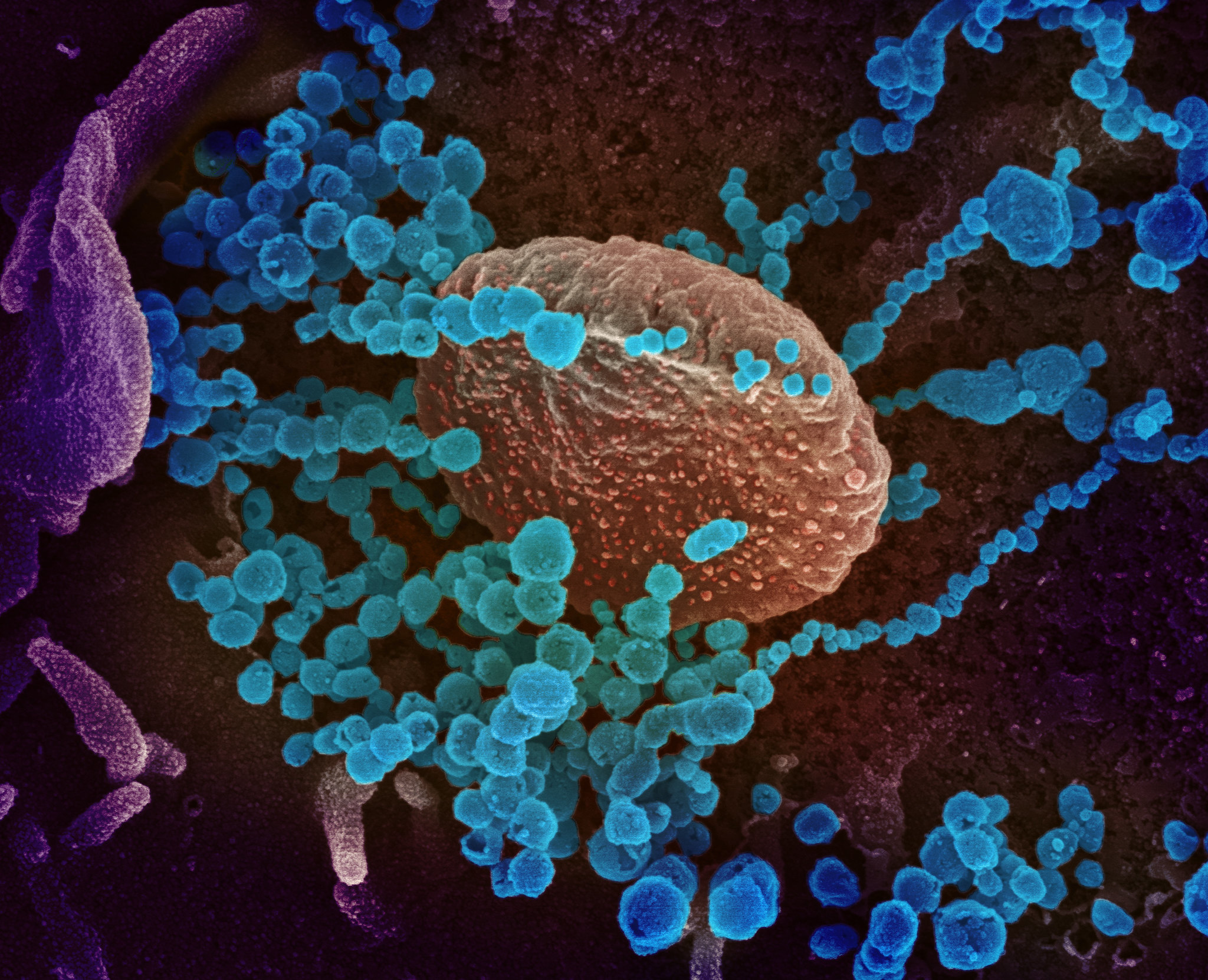
fter more than two years since the first report of COVID-19, it remains crucial to continue studying how SARS-CoV-2 proteins interact with the host metabolism to cause COVID-19. This review summarizes the findings regarding the functions of the 16 non-structural, 6 accessory and 4 structural SARS-CoV-2 proteins.
US National Institutes of Health Prioritization of SARS-CoV-2 Variants
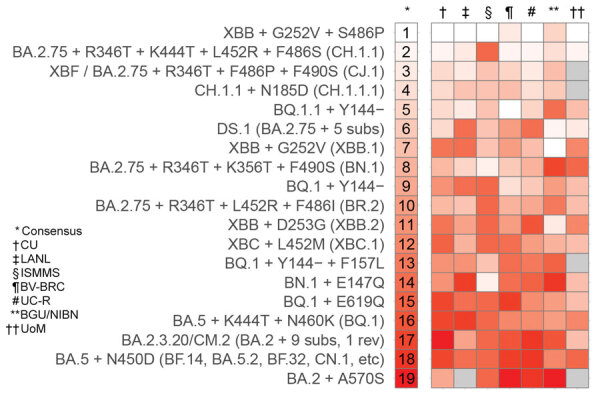
The Early Detection group is one of the constituent groups of the US National Institutes of Health National Institute of Allergy and Infectious Diseases SARS-CoV-2 Assessment of Viral Evolution program. The group uses bioinformatic methods to monitor the emergence, spread, and potential phenotypic properties of emerging and circulating strains to...

SARS-CoV-2 variant biology: immune escape, transmission and fitness
In this Review, the authors summarize the literature on the relative transmissibility and antigenicity of SARS-CoV-2 variants, the role of mutations at the furin spike cleavage site and of non-spike proteins, the potential importance of recombination to virus success, and SARS-CoV-2 evolution in the context of T cells, innate immunity...
After 2 years of the COVID-19 pandemic, translating One Health into action is urgent
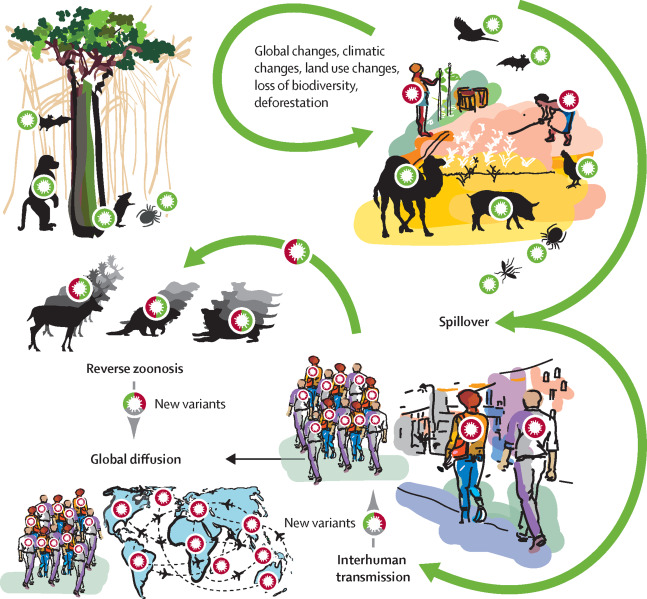
A change in health-care framework is needed to improve pandemic prevention, which will require a global understanding of disease emergence and an integrated One Health approach. The environmental, social, economic, ethical, and political factors that characterise a social ecosystem and influence the emergence of zoonoses should be considered to control...

